

Puerto Rican Rum Guide for Your Island Trip
A rum punch at a beach bar can be delicious. But if that is the only Puerto Rican rum you try, you will miss a story shaped by sugarcane, trade, family tradition, patient aging, and the warm Caribbean air. This Puerto Rican rum guide is for travelers who want more than a quick cocktail - they want to understand what is in the glass and where it belongs in a great island day.
Puerto Rico is one of the world’s great rum-producing destinations, and tasting its spirits can be as revealing as listening to live Bomba drumming in Loíza or walking the blue cobblestones of Old San Juan. The best approach is simple: start with an open palate, ask a few thoughtful questions, and give yourself room to enjoy both the famous labels and the smaller surprises.
Why Puerto Rican rum tastes like Puerto Rico
Most rum made on the island begins with molasses, the rich byproduct of sugar production. It is fermented, distilled, blended, and often aged in oak barrels that previously held bourbon. That process is familiar across the Caribbean, but Puerto Rico’s long distilling tradition, technical precision, and tropical climate give its rums their own recognizable range.
Heat accelerates interaction between rum and wood. A spirit resting in a Puerto Rican warehouse can develop notes of vanilla, caramel, toasted oak, dried fruit, spice, and roasted nuts relatively quickly. That does not automatically mean older is better. A young white rum can be crisp, clean, and exactly right for a mojito, while an aged expression may shine when served neat after dinner.
Puerto Rican rum also spans more than one style. Some bottles are light and polished, built for highballs and classic cocktails. Others are fuller, darker, and more oak-driven. You may find a dry finish, a rounder caramel profile, or a soft fruit character depending on the distillery’s fermentation, distillation, blending, and barrel program.
The takeaway for visitors: do not judge rum by color alone. Some light rums have been aged and filtered clear. Some dark rums gain part of their color through blending choices. Ask how a bottle was made, then taste it for yourself.
A Puerto Rican rum guide to the major styles
White rum: bright, clean, and cocktail-ready
White rum is the foundation of many drinks travelers order first in San Juan. It is often light-bodied and clean, with gentle sweetness and subtle citrus or sugarcane notes. Use it in a mojito, a daiquiri, or a piña colada when you want the other ingredients to stay lively.
A well-made daiquiri is especially revealing. It is just rum, fresh lime, and sugar, so there is nowhere for a harsh spirit to hide. If you enjoy a fresh, tart cocktail before salsa dancing or a Condado evening, ask for one made with a Puerto Rican white rum.
Gold and añejo rum: more body, more oak
Gold and aged rums spend time in wood, picking up deeper flavor and a warmer texture. These are excellent in an old fashioned-style drink, with ginger beer, or on a large cube of ice. Expect flavors such as baking spice, vanilla, toasted coconut, caramel, and sometimes a hint of orange peel.
This is a smart category for someone who usually drinks bourbon or whiskey. The oak offers a familiar bridge, but rum usually brings a sweeter, more tropical profile. Start with a small pour over ice, then add a splash of water if the aromas feel closed or the alcohol seems intense.
Dark and premium sipping rum: slow down and taste
The richest Puerto Rican rums are made for a slower moment. They can be layered, silky, and structured enough to sip neat in a small glass. Look for aromas of dark chocolate, roasted coffee, dried banana, fig, leather, and toasted oak.
Premium does not have to mean intimidating. A good bartender can pour a one-ounce taste before you commit to a full glass. If you are sharing with a partner or friends, order two contrasting pours - one lighter and one older - and compare them side by side.
Flavored and spiced rum: fun, but not a shortcut to quality
Coconut, fruit, and spice-forward rums have their place, especially for easy poolside drinks. They can be festive and approachable, but they reveal less about the underlying distillate than a clean white or aged rum. Think of them as a flavor choice, not a measure of authenticity.
If you want to learn what Puerto Rican rum can do, begin with an unflavored expression. Save the coconut rum cocktail for the beach, where it belongs.
How to taste rum without making it complicated
You do not need a formal tasting room vocabulary. Begin by looking at the rum, then take a small sniff with your mouth slightly open. Notice what comes to mind before you read a menu description. Vanilla? Orange peel? Brown sugar? Fresh banana? There is no prize for sounding technical.
Take a small sip and let it rest on your tongue for a few seconds. Pay attention to texture as much as flavor. Is it light and crisp, oily and rich, dry, sweet, spicy, or warming? The finish matters too. A good rum may leave a quiet note of oak, fruit, or baking spice after the first taste is gone.
Water can help, particularly with higher-proof pours. Add a few drops rather than filling the glass. Ice is also perfectly acceptable, especially in Puerto Rico’s heat. The goal is enjoyment, not proving that you can drink a spirit neat.
For a casual mini tasting, compare three pours: a white rum, an aged rum, and a premium sipping rum. Taste from lightest to fullest, with water and plain crackers between each. This small progression makes the differences clearer than sampling several heavy pours at random.
Where rum fits into your Puerto Rico itinerary
A distillery visit is more satisfying when it is part of a day with context. Near San Juan, you can pair rum tasting with Old San Juan’s forts, galleries, and waterfront views. Start earlier than you think, since the tropical afternoon can feel warm, and leave time for a relaxed lunch before any tasting.
If your plans take you south toward Ponce, the island’s rum heritage opens another door. The city’s architecture, cultural institutions, and historic connections to sugar and industry add depth to the experience. A visit connected to the Serrallés legacy, for example, makes more sense when you see it alongside Ponce’s elegant streets and broader cultural landscape.
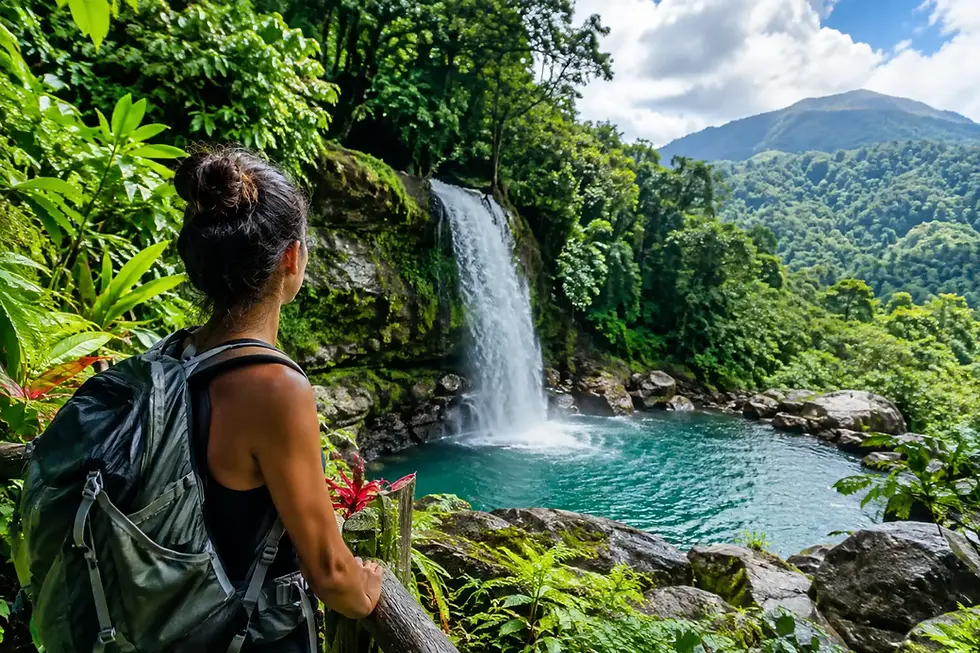
For travelers who want the real Puerto Rico beyond a tasting room, build contrast into the trip. Spend one day in El Yunque, where rainforest air and waterfalls reset your senses. Spend another in Loíza, where Afro-Puerto Rican heritage, percussion, and Bomba dance bring the island’s living rhythm into focus. Rum is part of the story, but it is not the whole story.
WeTakeYou experiences are designed around that kind of connection: memorable landscapes, local culture, and guided moments that turn a vacation schedule into an island journey.
What to order at a bar
The piña colada is Puerto Rico’s most famous calling card, and there is no reason to skip it. A balanced version should taste of pineapple, coconut, and rum rather than bottled sweetness alone. Ask whether the bar uses a local rum, then enjoy it without apology.
For something less sweet, order a classic daiquiri or a rum old fashioned. A mojito works beautifully in humid weather, while a rum and coconut water can be a refreshing, easygoing choice after a beach day. If you want to taste the spirit with minimal distraction, ask for an aged Puerto Rican rum served neat, with a side of water.
The setting changes the right drink. A frozen cocktail is ideal by the sand at sunset. A neat pour belongs after dinner, perhaps when live music begins and nobody is rushing toward the next reservation. Let the island set the pace.
Buying a bottle to bring home
Choose a bottle based on how you actually drink. A cocktail lover will get more use from a versatile white or lightly aged rum than from an expensive collector’s bottle. Someone who enjoys whiskey may prefer an oak-forward añejo or a premium blend.
Before packing, check your airline’s rules and keep bottles in checked luggage. If you are flying back to the mainland United States, Puerto Rico is a U.S. territory, but airline packing requirements and local purchase policies still matter. Protect the bottle carefully and leave room in your bag rather than trying to squeeze it between souvenirs.
A bottle also makes a thoughtful gift, but the best souvenir may be the memory attached to it: the bartender who explained the pour, the scent of oak in a tasting room, or the first sip after a day spent seeing the island beyond the resort.
Make your rum stop intentional, not rushed. Taste with curiosity, eat well, arrange safe transportation, and let the next rhythm of Puerto Rico carry you forward.


Comments